The Future of Cybersecurity: Trends U.S. Companies Should Watch
As cyber threats evolve, U.S. organizations must anticipate emerging trends to stay protected. Key Trends Preparing for TomorrowInvest in continuous security training, modern security tools, and proactive risk management. References:
Compliance and Cybersecurity: What U.S. Businesses Need to Know About CCPA and HIPAA
Navigating the regulatory landscape is critical for U.S. companies handling personal and health information. Two key regulations are the California Consumer Privacy Act (CCPA) and the Health Insurance Portability and Accountability Act (HIPAA). CCPA OverviewApplies to businesses that collect personal data of California residents. Requires transparency, consumer rights to access/delete data, and data security safeguards. HIPAA OverviewApplies to healthcare providers and associates managing Protected Health Information (PHI). Sets standards for confidentiality, integrity, and availability. Cybersecurity ImplicationsBoth require strong technical safeguards, risk assessments, and breach notification protocols. How Beyond Can HelpImplementing policies, conducting audits, employee training, and deploying secure technologies aligned with compliance requirements. References:
Cloud Security Best Practices for American Organizations
Cloud adoption is booming in the U.S., but security remains a top concern. Misconfigurations and weak controls in cloud environments lead to frequent breaches. Common Cloud Risks Best Practices Shared Responsibility ModelUnderstand that cloud providers secure the infrastructure, but customers are responsible for securing their data and applications. References:
The Growing Risk of Insider Threats and How to Mitigate Them

Insider threats—from employees, contractors, or partners—pose significant risks to U.S. businesses. Whether malicious or accidental, insiders can cause data breaches, fraud, or sabotage. Why Insider Threats Are IncreasingRemote work, complex cloud environments, and third-party access expand insider risk vectors. Common Insider Threat Types Mitigation Strategies References:
How Small Businesses in the U.S. Can Strengthen Their Cybersecurity Posture
Small businesses in the U.S. are increasingly targeted by cybercriminals, yet many lack robust cybersecurity measures. Nearly 43% of cyberattacks target small businesses, costing millions annually. Challenges Small Businesses FaceLimited budgets, lack of specialized IT staff, and insufficient training contribute to vulnerabilities. Cost-Effective Cybersecurity Strategies Cyber Insurance and Incident ResponseConsider cyber insurance for financial protection. Develop an incident response plan tailored to small business needs. References: Verizon Small Business Report: https://www.verizon.com/business/resources/reports/dbir/
The Role of Endpoint Security in Protecting U.S. Enterprises
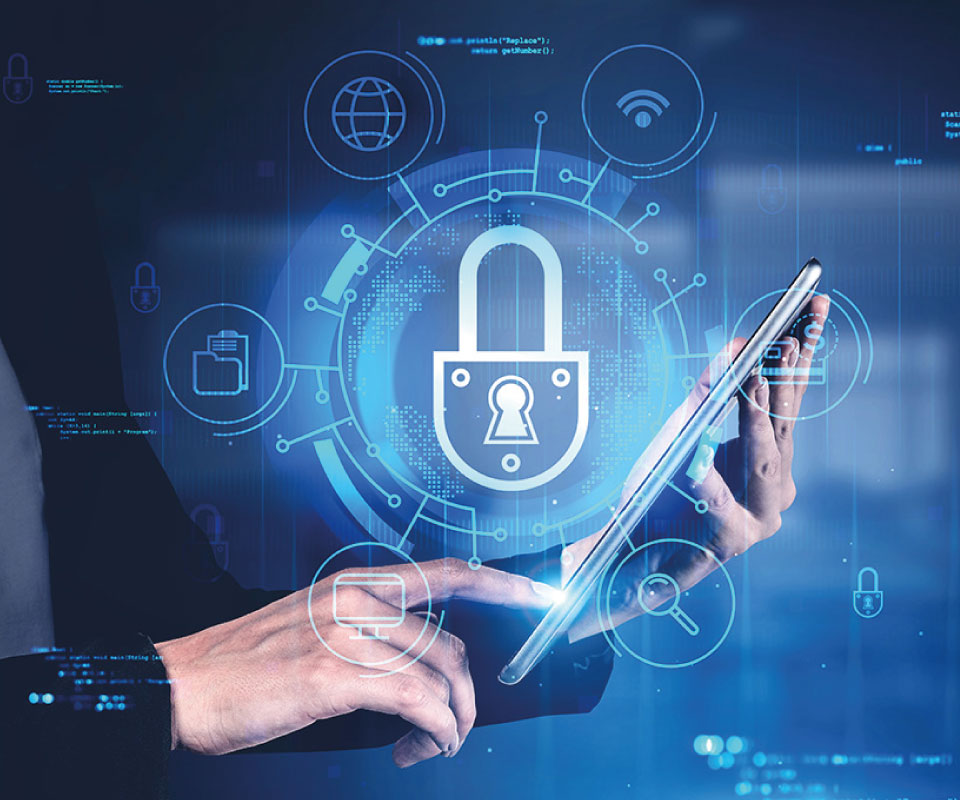
Endpoints, such as laptops, desktops, and mobile devices, are common entry points for cybercriminals targeting U.S. organizations. Endpoint security solutions help monitor, detect, and respond to threats on these devices. Why Endpoint Security MattersRemote work trends have expanded the attack surface, making endpoint vulnerabilities more critical. Malware, ransomware, and zero-day exploits often target endpoints first. Key Endpoint Security Features Deploying Endpoint Security EffectivelyA layered approach combining traditional antivirus with advanced EDR tools is recommended. Ensure all endpoints are updated regularly, and integrate endpoint data with a Security Information and Event Management (SIEM) system for better threat visibility. References:
Understanding Phishing Attacks: Prevention Tips for American Businesses
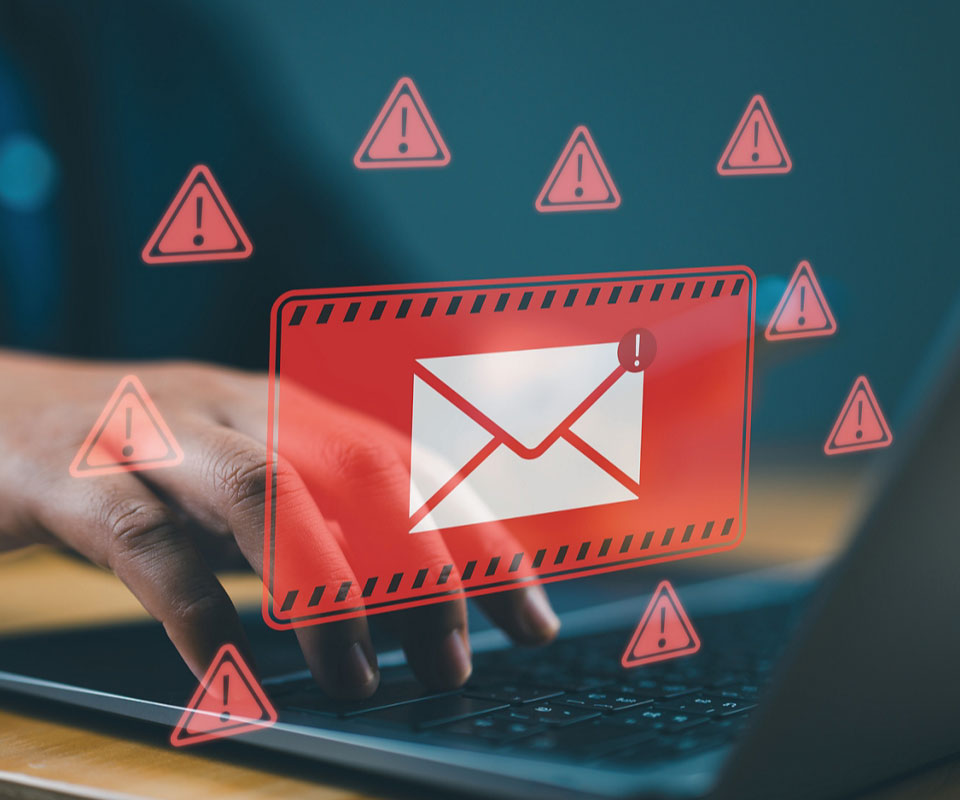
Phishing remains one of the most common and effective cyberattacks targeting U.S. companies. Attackers masquerade as trusted entities to trick employees into revealing sensitive information or downloading malware. How Phishing WorksPhishing emails often use social engineering, urgency, and spoofed email addresses to deceive recipients. These emails may contain malicious links or attachments that install malware or steal credentials. Recent StatisticsThe FBI reported that phishing scams were responsible for more than 30% of all cybercrime losses in the U.S. in 2023. Types of Phishing How to Protect Your Business References:
The Importance of Multi-Factor Authentication for U.S. Companies
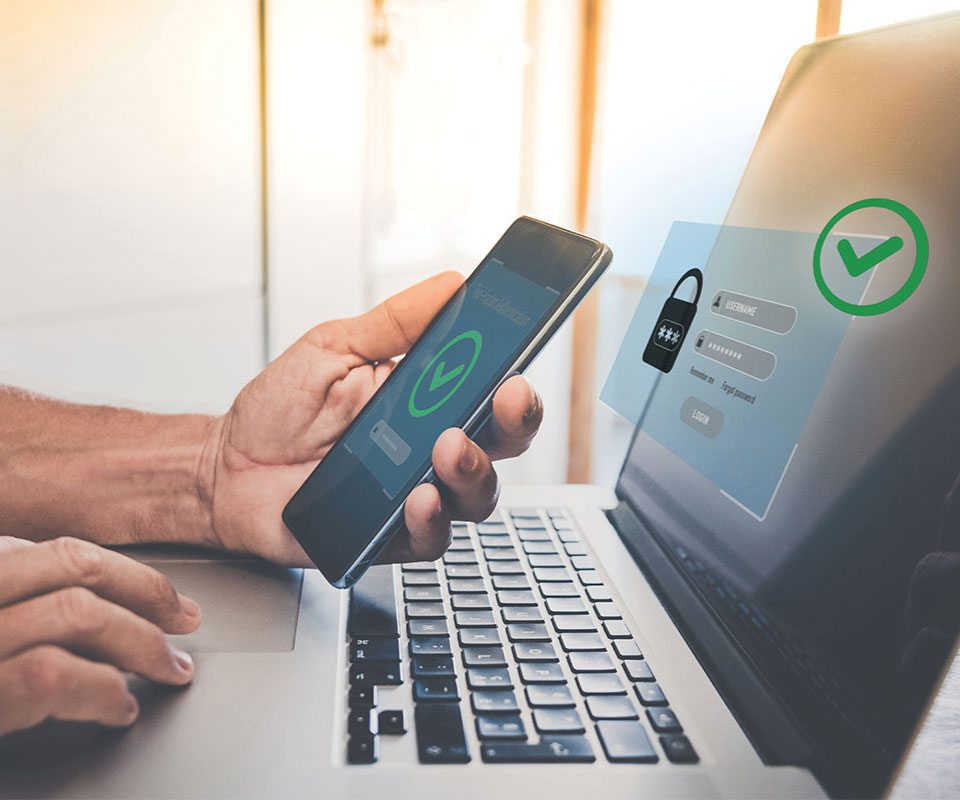
In an era of growing cyber threats, passwords alone no longer suffice to protect sensitive data. Multi-Factor Authentication (MFA) is a critical security control that requires users to verify their identity using two or more methods before gaining access. What is MFA?MFA combines something you know (password), something you have (security token or smartphone), and sometimes something you are (biometric data). This layered approach significantly reduces the risk of unauthorized access. Why U.S. Businesses Need MFAPhishing attacks and credential stuffing are on the rise, targeting American companies’ accounts. According to Microsoft, MFA can block over 99.9% of account compromise attacks. Federal agencies and industries like finance and healthcare increasingly mandate MFA as part of compliance frameworks such as NIST and HIPAA. Common MFA Methods Implementing MFA in Your OrganizationStart with critical systems like email, VPNs, and cloud services. Educate employees on MFA benefits and usability. Choose solutions compatible with existing infrastructure and scalable for growth. References:
The Rising Threat of Ransomware in the U.S.: How Businesses Can Protect Themselves
1. The Rising Threat of Ransomware in the U.S.: How Businesses Can Protect Themselves Category: Cybersecurity Threats Ransomware attacks have surged across the United States, affecting small businesses, large corporations, and even local governments. According to the FBI’s Internet Crime Complaint Center (IC3), ransomware losses exceeded $49 million in 2023 alone, and the numbers keep growing. Why Ransomware Is So DangerousRansomware is malicious software that encrypts your files and demands payment – often in cryptocurrency—for the decryption key. Unlike other malware, ransomware locks down entire systems, halting business operations completely. The most common delivery methods include phishing emails, compromised software updates, and vulnerabilities in remote desktop protocols (RDP). Once inside, attackers move quickly, encrypting files and deleting backups to make recovery harder. Notable U.S. Cases Best Practices for Defense Legal & Compliance ConsiderationsThe U.S. Treasury’s Office of Foreign Assets Control (OFAC) warns that paying ransomware demands could violate sanctions laws, meaning businesses must consider the legal risks before deciding to pay. References: